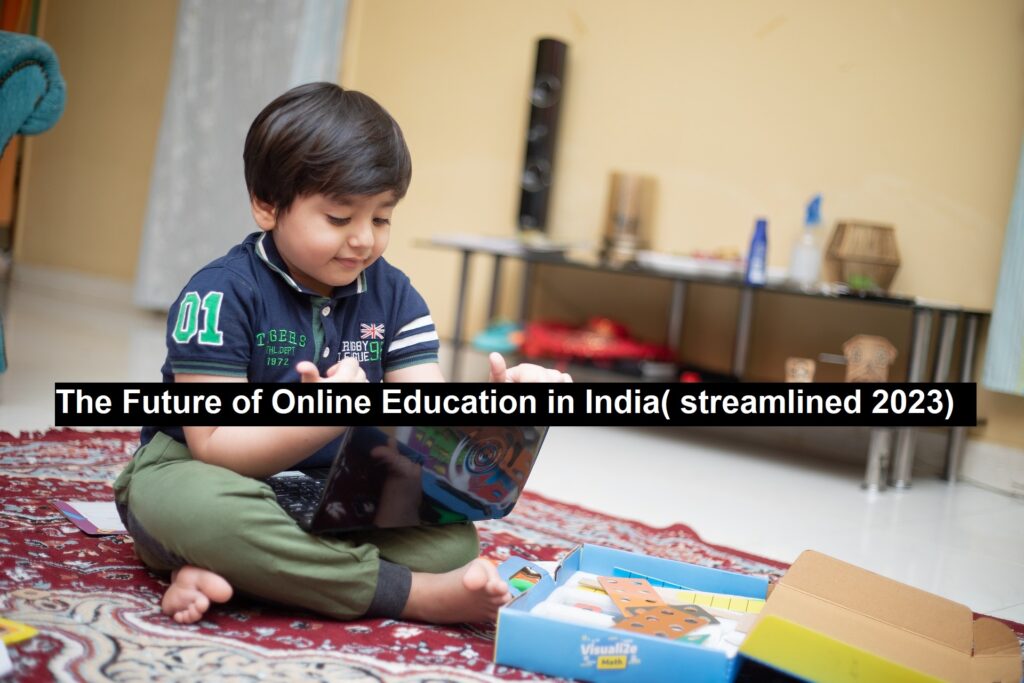
According to UNESCO, since the outbreak of COVID- 19 began,1.37 billion scholars in 138 countries each around the globe have been affected by the check of seminaries and universities. Nearly60.2 million academy preceptors and university speakers are no longer held in the classroom.
Since the whole country is under lockdown,e-education is the stylish and the only option left. University faculties are setting up accounts on online videotape conferencing platforms similar as Zoom, Skype, Google Classroom, Meet, among others to engage with scholars.
This new media holds out the possibility of on- demand access to the content at any given time or on any digital platform but this turns challenging for both administration and the scholars. Digital media moment is the mix between the classical and conventional way of literacy like books and scrapbooks and digital software like eBooks and pdfs.
The major downsides of Online Education
1. Socioeconomic peak
India is a different country and within these diversities come wide kinds of societies and beliefs, and because of it, India suffers a huge socioeconomic peak – the division of classes like high, low, and middle and that’s a major debit. Not indeed one- third of the population receives online education.
In pastoral areas, lack of internet connectivity, lower to no power force, and incapability or unaffordability to buy applicable bias are the major enterprises. numerous preceptors had complained about thenon-reachability of study accoutrements to lower class scholars because they’re unfit to attend live sessions due to a lack of network.
As an volition to this, numerous classes are done by transferring prerecorded vids through WhatsApp or YouTube so they can study at their convenience but indeed these have their own set of difficulties like lack of understanding the assignments. As a result, they’re still deprived of the knowledge they should be handed with.
2. Gender isolation
Another debit is the isolation between girls and boys in our country. According to a recent check done in the government seminaries of Bihar, out of 733 children, only 28 of the girls had smartphones compared to 36 of the boys. And in the maturity of the cases, these smartphones belonged to manly grown-ups; frequently lower accessible to girls than boys.
Half of these families could n’t go internet packages and their children had to calculate on the assignments that were vented on boxes. But in those cases, girls were set up to spend further of their time completing the ménage chores than boys, which frequently lapped the time of telecast.
Another factor was that in utmost of these cases, parents denied talking to their girl child and offered to survey on their behalf. In some cases where they were suitable to reach the girl child, the exchanges were n’t forthcoming as they had to talk in front of the manly member of the family which made them understand how delicate it’s for them to study with online coffers.
3. Internet downsides
It’s a big challenge to use the internet as a source of online education. Google, Firefox, and other web cybersurfers are good sources of information but using these platforms for online education is n’t easy. For preceptors who had always worked in seminaries and universities, awaiting them to be over to date with creating digital content and delivering it effectively online and for the children to fluently acclimatize is fully illegal.
For them, two main factors, body language, and eye contact are delicate to perceive in an online class. numerous questions arise, are scholars paying attention in the class? If they are, is the session accessible for them? Is their pace alright? These questions are common for traditional classes too but they’re harder to address in an online session.
4. The internal health of scholars
It’s a internal strain on children of youthful age group( 5- 10 times old) as their period for concentrating is small and it needs physical conditioning to keep them engaged. But it’s not just confined to the youngish generation, council- going scholars have complained about the same.
They feel to value the physical and practical way of literacy than the virtual bone. Subjects like wisdom and technology need further practical laboratory sessions, thesis systems, and field passages to round the theoretical aspects which are oppressively limited and nearly insolvable in online education.
5. inordinate screen time
inordinate screen time also becomes an issue to the parents whose children attend these classes. With class workshop, home workshop, assignments, everything going digital, children will be occupied in their smartphones laptop defenses and it’s not good for their internal health. It puts a strain on their eyes and brain. With the slight ease in the epidemic guidelines and increase in online classes, the government had limited the duration to 30 twinkles for preprimary scholars and two sessions of 45 twinkles for standard one to eight.
The Good Factors
Indeed though online education has numerous bad aspects, there are numerous good aspects too. Due to the global epidemic, online education has fallen into the most introductory position- seminaries and sodalities. For the scholars who have long- distance commutes, they find it a more flexible and easier option as education is reaching them and not vice versa.
For the working groups who wish to continue their education or learn commodity new, online education is a good option for them. It’s more flexible, can acclimate to their being schedules and they can complete the assignments without immolating hours from their being jobs or important chores of their ménage.
Comparing to the charges of sodalities, online education is more affordable and is helpful for applicants who wish to go to council but could n’t. Also, they can continue earning while gaining the education they demanded.
Some crucial benefits of online education are listed below .Saving redundant charges with the perpetration of online education, we will be suitable to save the charges of trip, lodging, and boarding and these figure reductions will mean lower freights for the online classes.
No limitation- in discrepancy to physical classrooms, digital classrooms do n’t have limitations.
Inflexibility- In physical classrooms, there’s a limitation to the original population of the scholars but if we talk about digital classrooms, faculties will be suitable to address not just the original population but also the global population. Indeed in terms of faculty, we won’t be confined and will be suitable to hire an expert professional from around the globe.
Nature friendly- by going digital, we’re actually doing the earth a favor. Trees are used in the construction of paper, so if there would be less product of handbooks, the number of cutting down of trees will significantly drop.
Time redeemer-traditional styles of tutoring includes times of studies and months of staying for the final examination results but with the digital perpetration of the classes we’re getting the content on spot, can give examinations with the ease of sitting at home, and can get the results incontinently( or within many days) on our smartphones and laptops which is less stressful and saves a lot of time.