It can be one of the smartest things a student can do prior to their departure into the working world, creating an effective resume and LinkedIn profile. Before an employer decides whether or not they wish to invite someone for an interview they’ll be going for a flick through your resume, followed by an overview of your profile page.
There’s a common notion among students that it’ll take years in a professional setup to make their application stand out. However, that’s not always the case. Internships, projects, certfications, volunteering activities and various extracurricular pursuits all carry significance as well, and if the student is capable of show casing them professionally, it can go a long way in forming an appealing professional image in front of Recruiters.
Why Your Resume and LinkedIn Profile Matter
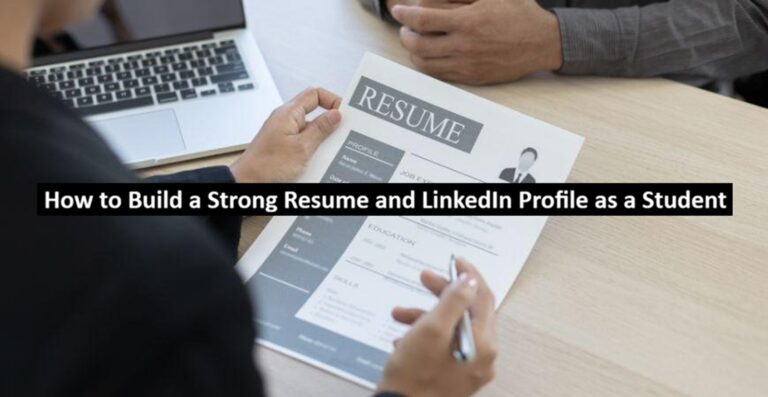
A resume is an overview of your abilities and work that employers scan within few minutes and get an idea of your education, technical skills, and completed works and experience, etc. A well-structured and well written resume increase your chances of selection into interviews.
An overview is what your LinkedIn profile is: Recruiters are always scanning for candidates through the popular site to fulfill their internship and full-time internship openings. You have more to gain than lose when your account is kept current.
Before you apply to study abroad, remember that as a student it is essential to be aware of important financial considerations. education loan currency conversion rate of education loan as this could help you effectively manage education expenditure and budget for studying abroad.
Read: Ten Brilliant Back- to- School Hacks for Scholars
Start with a Professional Resume
Keep Your Resume Simple and Organized A resume that’s a mess can be very difficult to read – for a recruiter or any ATS. There’s no need for fancy graphics or a complicated layout that can trip up a resume screening process. Instead, just create a clean resume that is organized neatly and displays your credentials.
First, include your name, address and contact info, followed by a brief professional profile. You should use this summary to briefly communicate your professional interests, education and strong skills. A good resume summary will provide immediate clarification to hiring managers on your career level and background.
Highlight Your Education
Your studies is among the skills in your CV. Don’t forget to list your university qualification/degree/certificate title and your graduation date and relevant academic success and include awards, honours or scholarships earned.
List any relevant coursework. Your employer wants to see what courses you’ve taken that could be useful for the job. This especially applies when you don’t have a lot of work experience.
Showcase Projects and Internships
Give examples of the types of assignments or internship positions you’ve held, including the tools, software and methodologies you were exposed to, and the results of your efforts. Quantifiable data showing your impact is an excellent asset.
Your resume will also be significantly boosted by relevant personal projects that don’t involve school. Creating a website or app, research and development, even a marketing campaign could showcase some useful initiative and practical know-how.
Include Relevant Skills
Employers want to see you list out your technical and soft skills. Mention what programming languages or what software know what what digital tools you can use, but don’t forget to include communication skills, ability to collaborate and problem-solve, leadership skills – especially any that apply to the particular job you are trying to get.
Be truthful about the skills you have to offer. Include skills that you know you can confidently exhibit during your interviews. Keep your skills updated through certifications and online courses to put yourself above other job candidates.
Create an Impressive LinkedIn Headline
What do you do? LinkedIn headline is one of the first things a recruiter will see about your profile, so rather than writing “student,”write a profile that shows what you’re passionate about. For example, you can state the course you’re taking combined with the main things you specialize in or what you aspire to do in your career.
A good headline helps you show up inLinkedInsearch. Also makes it immediately clear to visitors what kinds of opportunities you are seeking.
Write a Strong About Section
Your ‘About Me’ section is where you want to express yourself as an expert. It’s a place to share your background education, career aspirations, your assets, and your objectives in a direct and easily understandable way. Be upbeat but authentic!
Don’t copy and paste your entire resume! You can share your journey and tell the story about why you are so interested in your profession and eager to expand your expertise.
Add Projects, Certifications, and Achievements
LinkedIn have dedicated sections for achievements, volunteering, certifications and projects. Fulfilling these sections makes your profile a little bit richer and illustrates that you’re always learning and expanding. In addition certifications which align with current industry requirements are something Recruiters tend to check out in depth.
You might be interested in also including project details, your portfolio, and some related documents. These might just serve as proof that you are actually knowledgeable of what is being taught in class.
Use a Professional Profile Photo
You have a huge influence in the first impression by your profile picture. Opt for quality photo with proper lighting and an clean background, Professional and also wears business. A smiling facial in photo ensures your profile as friendly and trusty.
No casual selfies, over-edited photos, or pictures of a group of people. A good, professional headshot drastically improves your chances of standing out.
Build Your Professional Network
LinkedIn excels when it comes to Networking. Connect with school mates, teachers, alumni, recruiters as well as with experts in your dream job industry. Developing relationships is the best way to get noticed and to receive an internship or job leads.
Where possible, tailor your connection request message when connecting with a professional. Adding a friendly hello increases your chances that a professional will connect and visit your profile.
Stay Active on LinkedIn
Having a profile page just to be a page on it isn’t enough. If you continue to share your industry news, make remarks in conversations that go on in the business forum, or post about new knowledge you acquire from learning, it ensures people are seeing you in action, again showing that you’re actually interested in the subject that you claim to do well.
Companies and Industry Leaders Also help with Following companies and industry leaders, as this will give you exposure to trends, jobs and advice in your field and you can build your network over time.
Common Resume and LinkedIn Mistakes
Do you make the error of sending out a common resume to any application you find? Customize your resume as well as job description and you will dramatically boost your possibilities of getting an interview. A couple of easy adjustments can assistance help you discover what firms are looking for.
Another big blunder most people make is neglecting their LinkedIn profile. Incomplete profile pictures, old information, spelling blunders or inactive accounts can cast a shadow over you. Check and upgrade your LinkedIn profile, together with resume, each time something new or significant is added to the latter.
Final Tips for Career Success
After reviewing, before submitting to jobs and internship programs, meticulously comb through your resume and LinkedIn profile to check for errors in grammar and contact information or for formatting inconsistencies. It also may be beneficial to have a mentor or career counselor examine your documents.
Never stop gaining new skills, completing relevant training and education, and completing personal projects while at university – these experiences add to your resume and profile and lay the foundation for future career progression.
Conclusion
You do not have to work for many years to construct an outstanding CV and profile on LinkedIn as a student. You’ll need to showcase your projects, education, certificates, technical and soft skills, internships, achievements, awards, etc., for companies to notice you. Regularly update your data, keep yourself engaged with other people in the profession, you’ll gain more attention.
Author’s Bio:
Lalit Sen, a professional content writer, blogger and digital marketing consultant believes in providing the readers with informative and easy-to-read content on the internet. His domain expertise lies in the areas of Digital Marketing, and latest student information system market trends.